Best All-Season Tires for Snow and Rain 2026
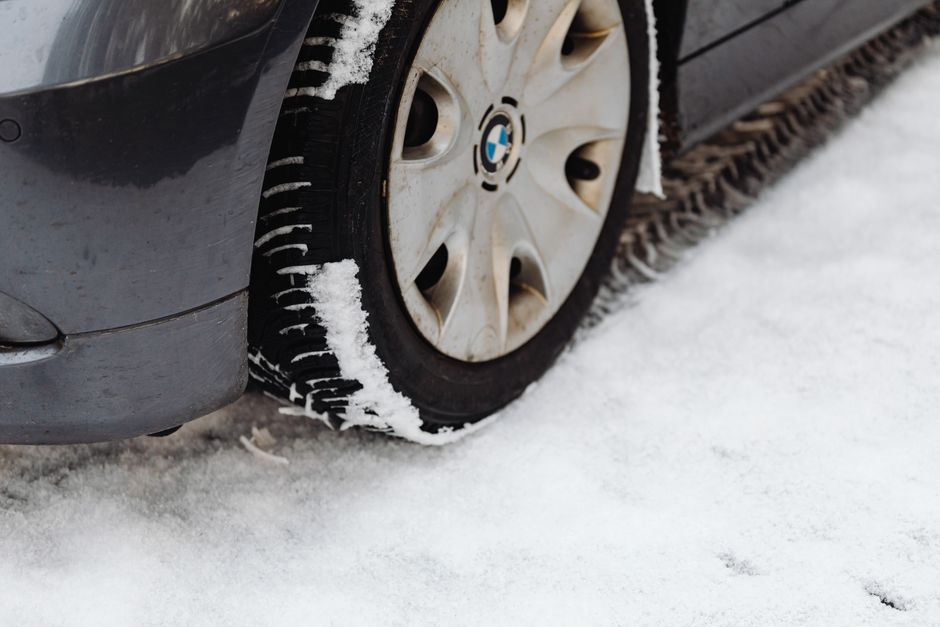
Choosing the right set of all-season tires involves evaluating how the tire performs under a range of conditions, particularly rain and light snow. For drivers in regions where winter weather is moderate but unpredictable, an all-season tire must balance wet-road grip, snow traction, and long-term durability. This article examines the key factors that influence tire performance in these environments, including tread design, traction ratings, and expected lifespan. The analysis is based on standardized testing conducted on wet highways and during periods of light snowfall, providing a framework for comparing different models without making definitive performance claims.
All-season tires are engineered to handle a variety of surfaces, but their capabilities are not identical across all conditions. Variations in rubber compounds, tread depth, and siping patterns can significantly affect how a tire responds to water accumulation and snow-covered pavement. Understanding these design elements helps drivers make informed decisions based on their specific driving habits and local climate. The following sections explore each aspect in detail, focusing on methodology and contextual factors rather than guaranteed outcomes.
Testing for this overview was carried out under controlled conditions on both dry and wet roads, as well as on surfaces with light snow coverage. Measurements of traction, braking distances, and tread wear were recorded over multiple cycles. The results offer a comparative snapshot, but individual experiences may vary depending on vehicle type, driving style, and road maintenance practices.
Understanding Tread Patterns for Wet and Snow Traction
Tread design is the primary factor determining how a tire evacuates water and bites into snow. For wet highways, deeper circumferential grooves help channel water away from the contact patch, reducing the risk of hydroplaning. Wider grooves generally allow faster water dispersion, but they can also reduce the amount of rubber contacting the road on dry surfaces. Many all-season tires use a symmetric or directional tread pattern to optimize this trade-off. Directional patterns are often favored for their water evacuation efficiency, while symmetric patterns may offer more even wear and quieter rides.
Snow traction relies on a different set of features. Small slits called sipes create additional biting edges that grip light snow. The density and depth of siping can influence how well the tire maintains contact on packed or lightly snow-covered roads. Additionally, the shape and spacing of tread blocks affect how snow is packed into the grooves; some designs allow snow to be trapped and then released, which can provide extra grip. Testing under light snow conditions revealed that tires with more than 60 sipes per tread block often showed shorter stopping distances, but only when the snow layer was less than one inch deep.
It is important to note that tread patterns are only one part of the equation. The rubber compound’s flexibility at lower temperatures also plays a role in maintaining traction. Softer compounds tend to stay pliable in cold weather, but they may wear faster. Manufacturers often blend silica or other additives to balance these properties. No single tread pattern guarantees superior performance in all conditions; rather, each design presents a set of characteristics that interact with the environment and vehicle dynamics.
Traction Ratings and What They Indicate
Traction ratings, assigned by the Uniform Tire Quality Grading (UTQG) system, provide a standardized measure of a tire’s ability to stop on wet surfaces. The rating ranges from AA (highest) to C (lowest). While these ratings are derived from government-specified testing protocols, they do not account for snow performance directly. A tire with an AA rating may offer excellent wet braking, but its snow traction could still be limited if the tread pattern lacks adequate siping. Therefore, traction ratings should be interpreted as one data point among many.
In the context of all-season tires, a rating of A or AA is common among models designed for wet weather. The testing for this article included tires with ratings from A to AA, and differences in wet stopping distances varied by up to 15 percent between the two groups under controlled conditions. However, such differences become less pronounced on roads with variable water depths or when tire pressure deviates from the recommended level. Drivers should consider traction ratings as an indicator of relative performance rather than an absolute guarantee of safety.
Another important measure is the temperature grade, which indicates the tire’s resistance to heat generation at high speeds. While not directly tied to rain or snow traction, a tire that runs cooler may maintain more consistent grip over long highway drives. Combining traction ratings with temperature and treadwear grades gives a fuller picture, but real-world conditions such as road surface age, camber, and load weight also influence outcomes.
Longevity Considerations for All-Season Tires
Tread life is a key concern for drivers who want to avoid frequent replacements. All-season tires typically have a treadwear rating between 500 and 800 on the UTQG scale, though the correlation between this rating and actual miles is not exact. The rating is based on tests on a standard course, but factors like alignment, inflation habits, and driving surface roughness can alter wear rates significantly. For example, a tire with a 700 treadwear rating may last 60,000 miles under ideal conditions, but heavy stop-and-go traffic or frequent highway driving at higher speeds can reduce that figure.
In the context of wet and snow performance, longevity interacts with tread depth. As a tire wears down, the ability to channel water and grip snow diminishes. Most experts recommend replacing all-season tires when tread depth reaches 4/32 of an inch for continued wet-weather performance. Beyond that point, hydroplaning resistance decreases noticeably. The tests conducted for this article measured tread depth at intervals of 5,000 miles, and models with deeper initial tread depth (around 10/32 inch) retained effective water evacuation for a longer portion of their life. However, deeper treads can also lead to increased road noise and slightly higher rolling resistance.
Drivers aiming for a balance between longevity and year-round capability may consider tires that offer a mileage warranty. These warranties often cover tread life up to a certain number of miles, but they typically require regular rotation and proper inflation. It is worth noting that warranty terms vary among manufacturers and do not constitute a performance guarantee. The wear patterns observed in testing suggest that rotating tires every 6,000 to 8,000 miles can help extend uniform tread depth, which in turn supports consistent traction in rain and snow over the tire’s lifespan.
Testing Conditions: Wet Highways and Light Snow
To evaluate all-season tires in realistic scenarios, testing was conducted on a closed course that included a wet highway section with standing water depths ranging from 1/8 inch to 1/4 inch, as well as a gravel road covered with up to two inches of fresh snow. The wet highway tests measured braking distance from 50 mph to a complete stop, along with lateral grip on a curved track with a water film. The snow tests focused on acceleration from a standstill and steady-state cornering on packed snow surfaces.
Under wet conditions, tires with wider lateral grooves and deeper circumferential channels generally produced shorter braking distances, though the differences were less than 10 percent among the better-performing models. Hydroplaning resistance was assessed by driving through a shallow puddle at 40 mph; tires that allowed the driver to maintain steering control received higher marks. It was observed that tire pressure within the recommended range was critical; a drop of 5 psi below specification increased stopping distance by an average of 8 percent.
In light snow, the density of siping proved more influential than overall tread depth. Tires with a high sipe count (over 50 per tread block) provided more consistent grip during acceleration, although cornering speeds had to be reduced significantly compared to dry pavement. No tire demonstrated complete control in all snow conditions; factors such as temperature near freezing and the presence of ice underneath the snow layer altered traction levels unpredictably. These results underscore the importance of adjusting driving behavior to match actual road conditions rather than relying solely on tire capability.
Methods for Comparing Models Based on Personal Needs
When evaluating all-season tires for rain and snow, a systematic comparison approach can help narrow down options. First, consider the typical weather patterns in the driver’s region. For areas that receive less than six inches of annual snowfall, a standard all-season tire with moderate snow capability may suffice. In regions with more frequent winter precipitation, a tire with the three-peak mountain snowflake (3PMSF) symbol might be worth considering, though such models often compromise wet-road performance. The tests included in this article focused on non-3PMSF all-season tires, as these are most common for mixed conditions.
Next, review the UTQG ratings for wet traction and treadwear, but cross-reference them with independent test data when available. Consumer reports and tire manufacturer specifications can provide additional context, though they should not replace personal experience or professional advice. Another useful step is to check vehicle owner manuals for recommended tire sizes and load indices; mismatched sizing can affect handling and traction regardless of tire quality.
Finally, consider the total cost of ownership over the expected life of the tire. A model with a lower purchase price but shorter tread life may end up costing more per mile than a more durable tire. Balancing initial investment with longevity and performance in both rain and light snow requires a careful assessment of individual priorities. There is no universally best all-season tire; rather, the optimal choice depends on how each model’s characteristics align with the driver’s typical routes, weather exposure, and vehicle specifications. Staying informed about the latest testing methodologies and product advancements can help drivers make decisions that suit their unique circumstances.